


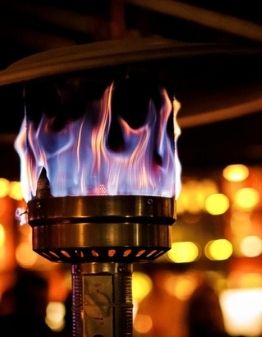


Impact of Weather Conditions on Natural Gas Patio Heater Performance
Whether you use your outdoor space for leisurely dining, family activities, or social gatherings, a natural gas patio heater can extend the usability of your yard throughout the colder months. But have you ever wondered how weather conditions can impact the performance of your gas heater?
Understanding Natural Gas Patio Heaters
Initially, it is crucial to understand the basics of a natural gas patio heater. These heaters function by combusting natural gas to generate heat. The secret behind their efficiency is their radiant heating mechanism, where heat is directly transferred to people and objects surrounding the heater.
Outdoor Temperature and Heater Performance
Natural Gas Heaters in Cold Weather
One may intuitively think that a colder outdoor temperature would overdrive the performance of a heater. However, natural gas patio heaters are designed to optimize their performance in cold conditions. They generate significant heat emission, making the outdoor space comfortable even on chilly winter evenings.
Most heaters are designed with a specified minimum operational temperature. This minimum temperature specifies the lowest temperature at which the patio heater can function efficiently. Usually, the lower the temperature, the longer it may take for the heater to create a warm surrounding.
Impact of Cold Temperature on Gas Pressure
The performance of gas heaters heavily depends on the pressure of the natural gas being used. Extreme cold can lower the gas pressure, affecting the heat output. If the temperature falls significantly below the minimum operational temperature, the patio heater may struggle with lower heat emissions or might stop working altogether.
Natural Gas Heaters in Warm Weather
Under warm weather conditions, these heaters can still add a tad of warmth during cooler summer nights. However, since the heaters rely on the difference between the ambient outdoor temperature and the temperature generated by the heater, the heat output might be less noticeable.
Effect of Wind on Patio Heater Performance
Aside from temperature, wind is another common weather condition that can significantly affect the performance of a natural gas patio heater. Regardless of their robust build, patio heaters are not completely immune to the influence of windy conditions.
Wind Direction and Speed
A strong wind can quickly disperse the mechanical-heat produced by the heater, lessening its efficiency. Moreover, if the wind speed exceeds the heater’s designed wind resistance, it could cause a flickering flame or even extinguish it.
Positioning in Windy Conditions
The strategic positioning of your natural gas patio heater can moderately control wind impact. Installing your heater in less windy areas or surrounding it with wind-blocking objects can help maintain its performance.
Rain and Humidity
While rain or any other liquid precipitation can potentially harm the heater’s body and structure, humidity levels can also affect the heater’s combustion efficiency.
Effect of Humidity
High humidity levels can limit the amount of oxygen available for the combustion process. This can lead to less efficient burning and decreased overall heater performance. Moreover, prolonged exposure to high humidity can cause corrosion and damage to the heater.
Maintenance in Humid Conditions
To mitigate this impact, regular maintenance and proper storage of your natural gas patio heater is recommended during high humidity seasons.
So, we see that weather conditions do indeed have a conspicuous impact on the performance of natural gas patio heaters. The heater’s efficiency in different temperatures, the influence of wind, and the effect of humidity all play significant roles in how well the comfort of your outdoor space is maintained.
Conclusion
While these conditions do indeed affect the performance of your patio heater, many of these issues can be mitigated or controlled through proper placement, maintenance, and product choices. Being aware of these factors can guide you in using and maintaining your natural gas patio heater, ensuring those winter barbeques and summer night chats are always a warm and comforting experience!


